
SEO and SEM: meaning and use
Let's start by explaining the meaning of SEO and SEM:
SEO - Search Engine Optimization, i.e. optimizing for search engines
SEM - Search Engine Marketing, i.e. marketing on search engines
Having clarified the meaning of the acronyms, let's briefly look at what they are and how they differ.
SEO
In essence, a site with good SEO will rank well (e.g. on Google's first page or even in first place) in what is called “organic search” (not sponsored, i.e. not paid for).
Let's take an example: as a user, I search Google for “Custom software development” and the engine returns a list of sites whose content matches what I am looking for.
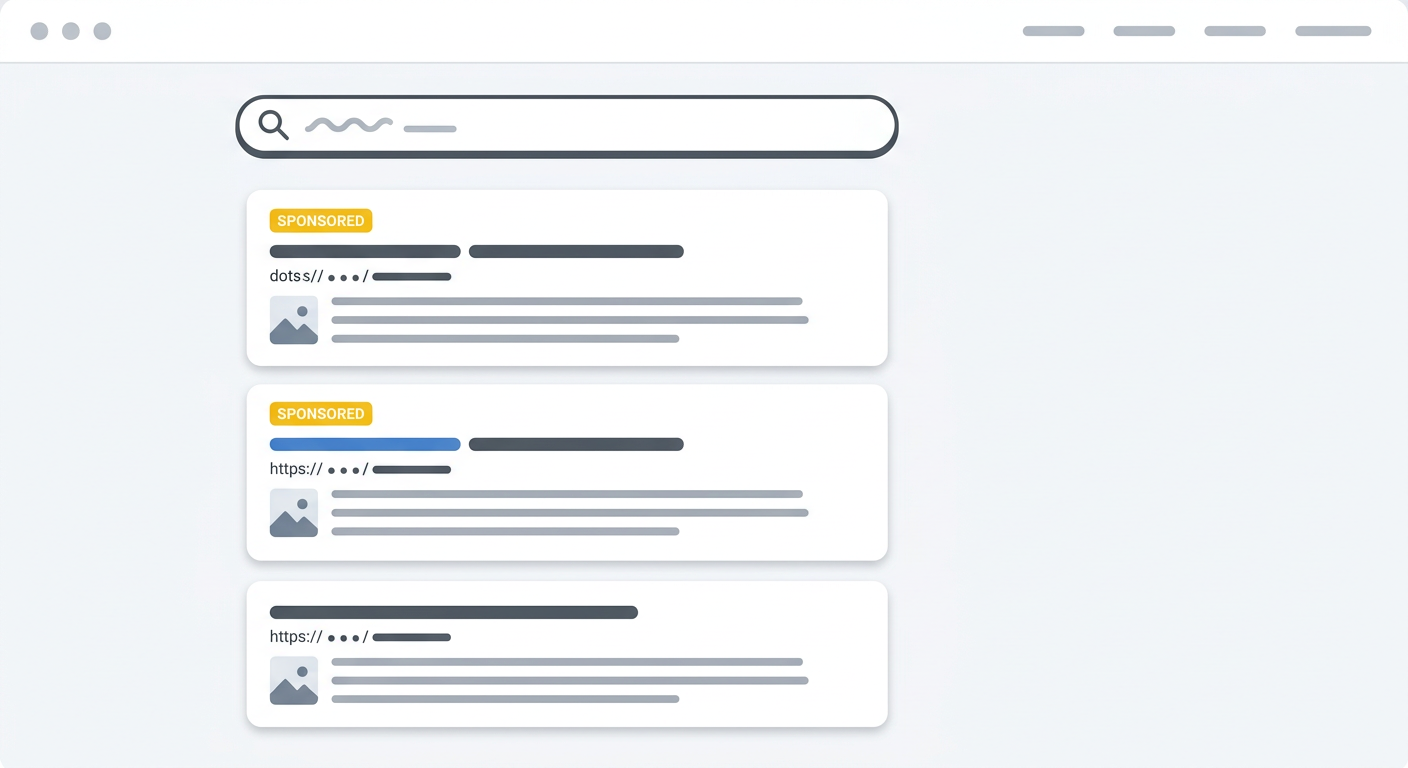
Some of these sites will be highlighted (at the top of the list or placed to the side) because they paid to be there (this is SEM, and we will talk about it later): they can be recognized by labels such as “Ad” or “Advertisement”, or they are placed in boxes marked “Sponsored” or similar terms.

All the sites that appear below these sponsored ads, on the other hand, are there thanks to SEO, but not only…
SEO helps improve our site's ranking, but often good content and good relevance to the user's search are already enough to rank well.
This is especially true if you sell unusual products or deal with niche topics: competition is low and your site is likely to be shown in response to a targeted search.
Do you want to improve your site's ranking but don't know what the SEO techniques are? There are a couple of moves anyone can make, and the most important of all concerns content.
Take great care of the content your site delivers.

If you write interesting things about your industry, about what you do or sell, in a clear and well-expressed way, search engines will reward you rather than another site that is less relevant or has less content.
So: good-quality, highly relevant content.
Then use common sense: relevant titles, relevant images, relevant page URLs… in short, don't talk at length about mussels if you sell umbrellas.
In addition, the most common CMSs (e.g. Wordpress) provide tools or plugins to improve SEO: they let you add Keywords, Meta Descriptions... which further help to identify the content of each page you publish.
Alternatively, there are professional SEO specialists, consultants who analyze what exists and improve it continuously and with great patience, because SEO is a medium-to-long-term activity.
If you operate in a highly competitive sector and your organic search ranking is never on the first page… give it some thought.
SEM
We already said at the beginning that SEM is essentially search engine marketing and that the ads shown first or highlighted are, almost always, the sponsored ones.
SEM is typically a paid activity: you pay a sum to Google, Facebook, Twitter, Linkedin... in exchange for leads, i.e. contacts interested in what you sell.
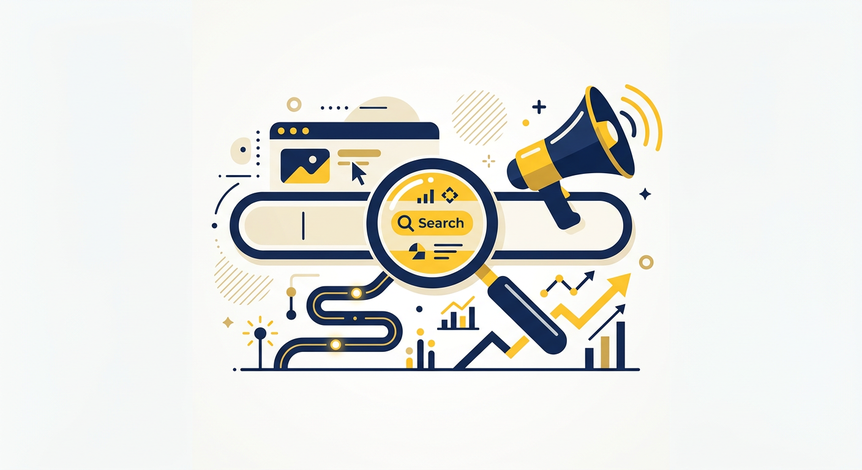
This does not mean that you describe your typical customer to Google, Facebook... and they hand you contacts: you will have to set up campaigns aimed at selling a product/service, and your ads will be shown to those who are searching for that product/service.
A very effective type of SEM is based on the pay-per-click principle, i.e. you pay a certain amount for every click on your ad by an interested user.
For example, a user searches for "Bicycle Repair" and the search engine returns a list of relevant results; the highlighted ads will be the paid ones and, if the user clicks on one of those ads, the company that published it will pay the search engine a certain sum. All the other ads that were shown but not clicked will not have to pay anything.
The amount you pay is not fixed: it depends directly on how much competition there is in the specific sector of that ad and on the geographic area in which you want the ad to be shown.
The figure can range from a few cents to tens of Euros per click.
How do you create a SEM campaign? Since these are paid campaigns, I recommend turning to a specialist in the field.
The most widespread campaigns are those of Google and Facebook and, if you wish, you can learn to set them up and manage them on your own by reading the documentation provided by the service vendors themselves.
The result could be perfectly decent, but not optimal: the risk is spending more than necessary and using ads that bring you users who are not really interested in your service/product.
So my advice is to turn to a SEM specialist, leave your campaigns in their hands for a few months (at least 6 months) and check in the field how much a new customer costs you. It will be an easily calculable cost, and it will be immediately clear to you whether the tool is right for you or not.
- Essential parameter: Cost per new Customer
If you sell items that cost €10 and spend €15 in pay-per-click for every new customer acquired… then you will have to completely rethink your campaign; if instead you sell services or goods worth several hundred or thousands of Euros and spend €100 for every new customer… it's definitely worth it!
LANDING PAGE
What is a landing page? The name already gives you the idea: it is the page on which the user who clicked on your sponsored ad lands.
You absolutely must plan to create one or more landing pages.
Why? Let me explain with an example: I am looking for red shoes on Google and I see your beautiful ad “Red shoes at 50% off”.

I click on the ad and land on your site's homepage, where I see all your products, and I have to search and search and then search again for my red shoes. I give up and leave your site.
If instead, after clicking the ad, I landed on a dedicated page where I find all your red shoes and only those, the chance that I find what I am looking for (and buy it!) will be very high. So, if you create an advertising campaign explicitly dedicated to a service or product, the user does not want to end up on your homepage and waste time searching.
The user will want to land on a dedicated page, where they can perform one and only one action: buy (or, in the case of services, contact you to proceed with the purchase).
TO SUM UP
- Take care of your site's content
- Use SEO plugins
- If possible, turn to SEO and SEM experts for help
- Create Landing Pages so as not to lose potential customers